
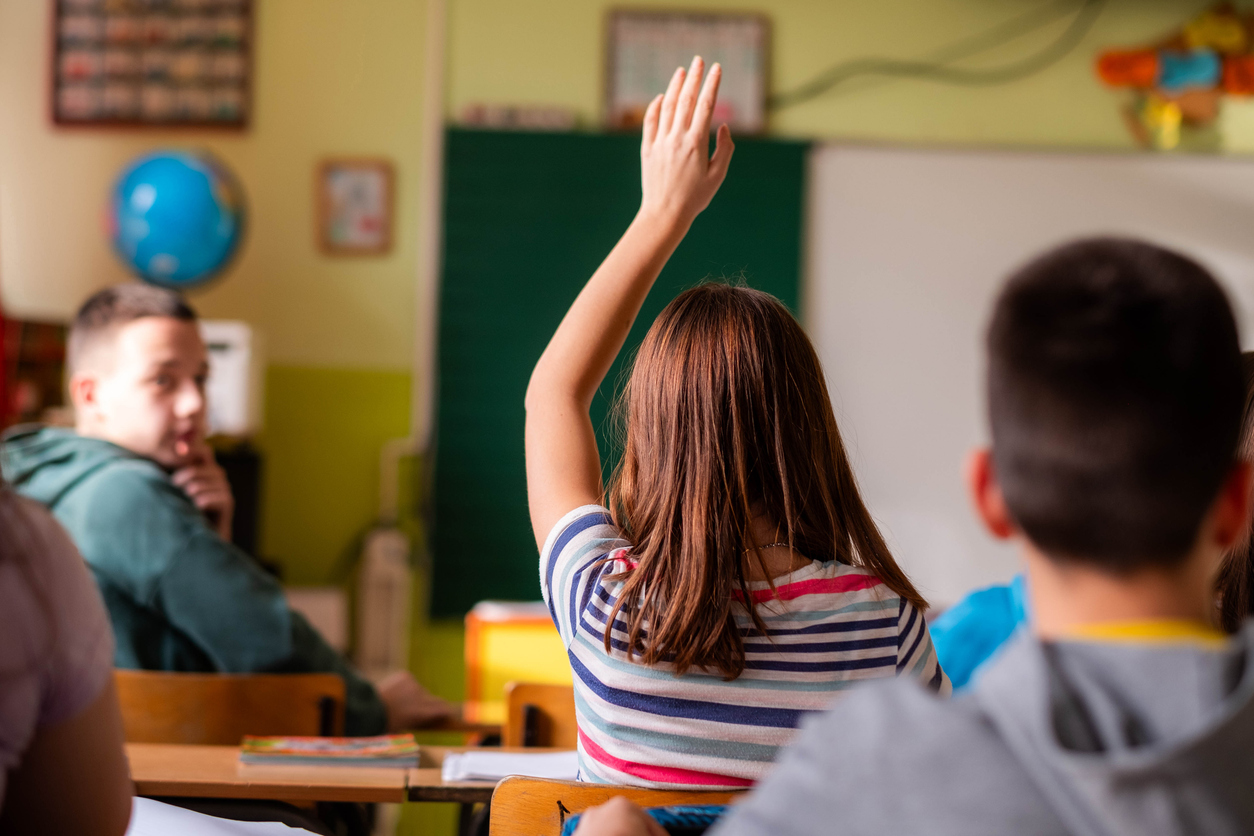
Some of my favorite questions come from the kids with whom I work. I recently had a meeting with a 12-year-old girl and her dad. She’s just starting Barton tutoring, and she came with a list of questions about dyslexia. They were so good that I’m answering them here in a two-part series for every young reader who’s wondering the same things.
This month covers starting tutoring, finding other people with dyslexia, and what schools are doing to help. In a couple weeks we’ll get into writing and math.
Here we go! 👇
❓ “I’m starting at the very beginning and it’s boring. Why do I have to start at the beginning?”
I get it. It can feel a little silly to practice letters and sounds when you’re 12 and already know them!
But here’s the secret: knowing something and doing it automatically are two different things.
Think about riding a bike 🚲. When you first learned, you had to think about everything: pedal, balance, steer, brake. Now you just ride. Your brain turned all those steps into a reflex.
That’s what tutoring is building. The goal isn’t just to know that “sh” says /sh/. It’s to know it so fast that your brain doesn’t even have to think about it. When the small stuff happens on autopilot, your brain has more energy left for the fun stuff, like understanding the story.
There’s another reason, too. Anyone learning anything new needs to feel successful at the start. That’s true for you with tutoring, and it’s true for your dad if he decided to learn wood carving 🪵. If his first project were a super-detailed eagle, he’d probably get frustrated and quit. If he started with something simple, he’d think, “Hey, I can do this!” and keep going.
Those early wins aren’t a waste of time. They’re the fuel that keeps you going. 💪
❓ “If 1 in 5 people have dyslexia, why don’t I know anyone else who has it?”
You probably do! You just might not know who they are. 🤫 There are two big reasons.
- Lots of people never find out they have it. We’re still getting better at screening for dyslexia, meaning checking kids to see who might have it. For a long time, many kids slipped through the cracks. Some grown-ups don’t find out until they’re adults, and some never find out at all.
- People don’t always talk about it. Some people feel embarrassed about having dyslexia. If they keep it a secret, nobody would ever know, right?
Imagine your class has 20 kids, that likely means there are five kids with dyslexia 🧑🤝🧑. If four of them feel embarrassed and never say anything, you’d think you were the only one. But you’d actually have four classmates who understand exactly how you feel!
That’s why it matters so much that dyslexia isn’t something to hide. It’s just one way a brain can work. When people feel safe talking about it, they get to find each other, cheer each other on, and feel a lot less alone. 💛
❓ “Why don’t schools check every kid for dyslexia and ADHD?”
Good news: Minnesota is working really hard on this! 🙌
In 2023, Minnesota passed a law called The READ Act. It helps make sure:
- Teachers learn the science of how brains learn to read. Many Minnesota teachers are taking either a training called LETRS, or one called OL&LA, so they know how to teach reading in ways that work for all kids, including kids with dyslexia. 👩🏫
- Schools check kids for signs of dyslexia, so more kids can get help early instead of waiting and struggling.
And here’s the best part: a lot of this happened because of a group called Decoding Dyslexia Minnesota. It was started by a mom whose son has dyslexia, and she and other families spoke up again and again until lawmakers listened.
Kids and families speaking up really can change things. 🗣️ And your questions? They’re a great example of exactly that.
Coming next month: “Why is writing so much harder than reading?” and “Why am I good at math if I have dyslexia?” ✍️➕
Keep asking questions. Your brain is doing hard, brave work, and it’s getting stronger every day. 🧠✨
Warmly,
Liz Adams, PhD, LP, ABPP
Board Certified Neuropsychologist
Founder & CEO
Minnesota Neuropsychology
